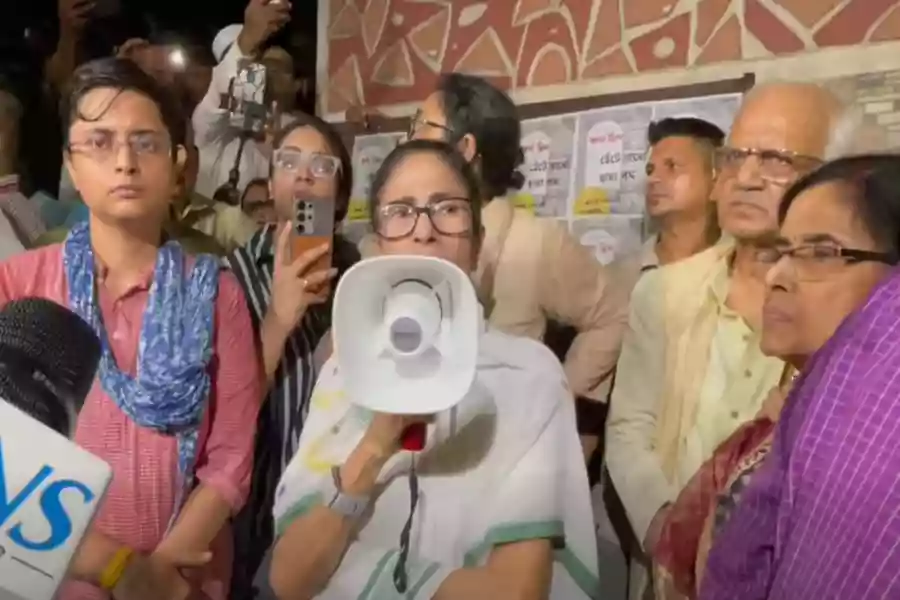
Mamata, top TMC leaders stand guard overnight after 21 July stage vandalized
.gif)

Download Mobile App 






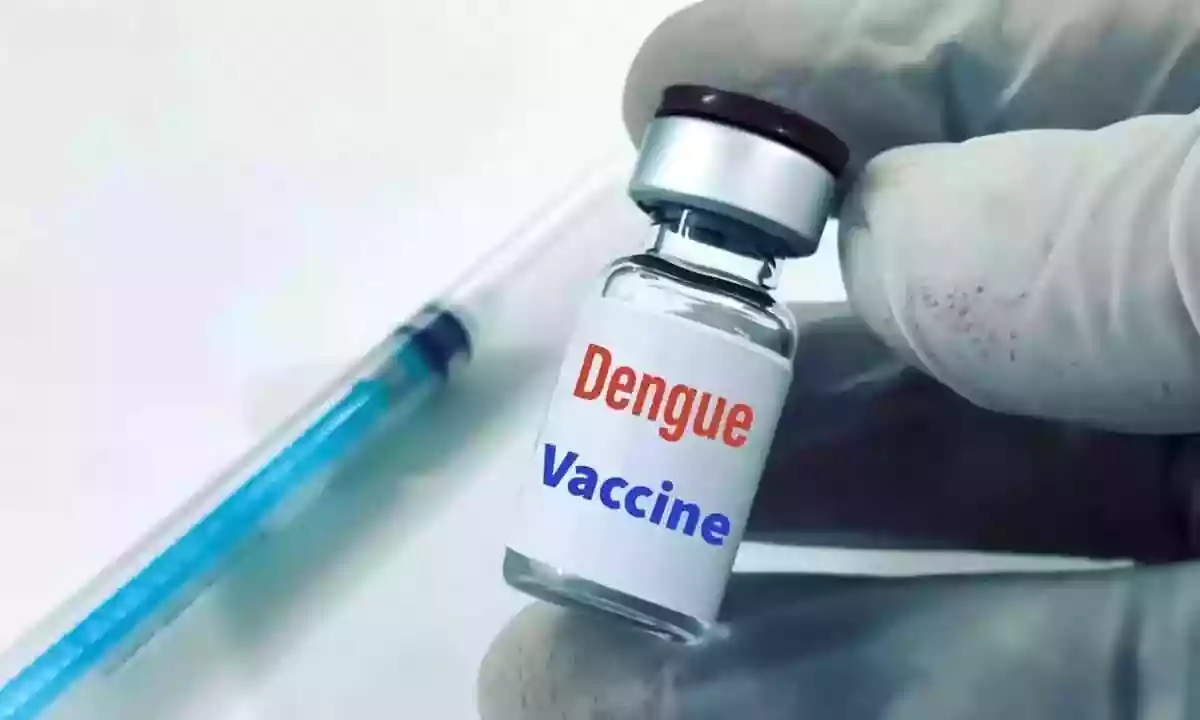
India has officially approved its first dengue vaccine after the Central Drugs Standard Control Organisation (CDSCO) and the Drug Controller General of India (DCGI) granted market authorization to Takeda Biopharmaceuticals India's QDENGA. The vaccine is approved for prevention of the disease in individuals aged four to 60 years under the New Drugs and Clinical Trials Rules, 2019. The regulatory clearance comes at a vital time as reported dengue cases in the country have witnessed an eleven-fold surge over the past two decades. India currently accounts for nearly one-third of the global dengue burden, recording millions of infections each year due to rapid urbanization, climate change, and widespread mosquito breeding.
Developed by the Japanese pharmaceutical firm Takeda, QDENGA (TAK-003) is a live-attenuated tetravalent vaccine specifically designed to provide protection against all four circulating dengue virus serotypes (DENV-1, DENV-2, DENV-3, and DENV-4). Unlike older vaccine options such as Dengvaxia, QDENGA does not require pre-vaccination screening or blood testing to determine if an individual has previously contracted the mosquito-borne virus. The vaccine is administered via subcutaneous injection as a 0.5 mL two-dose regimen, with the individual doses spaced three months apart. Long-term trial data shows that the vaccine offers sustained efficacy and safety, including 84.1% long-term protection against dengue-related hospitalizations.
The World Health Organization (WHO) has pre-qualified and recommended QDENGA for implementation in high-transmission dengue-endemic areas without prior exposure screening, making it eligible for international procurement by agencies like UNICEF. While official Indian retail prices have not been formally disclosed, Takeda has established a strategic manufacturing partnership with Hyderabad-based Biological E to produce up to 50 million doses annually, which could significantly scale local supplies and reduce costs over time. Health experts emphasize that while the vaccine represents a milestone addition to the country's public health arsenal, it should complement rather than completely replace existing vector control, environmental sanitation, and community awareness efforts.






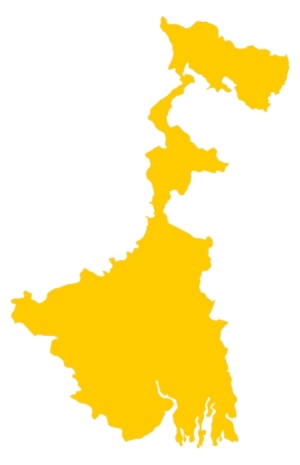 West Bengal
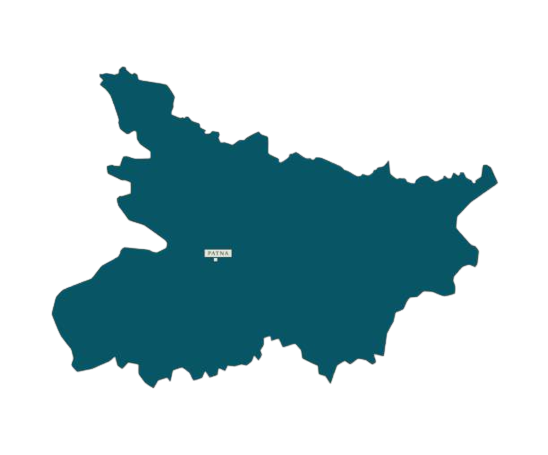 Bihar
Bihar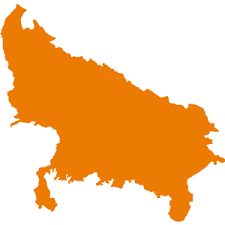 Uttar Pradesh
 Jharkhand